CRM Platform & Projects
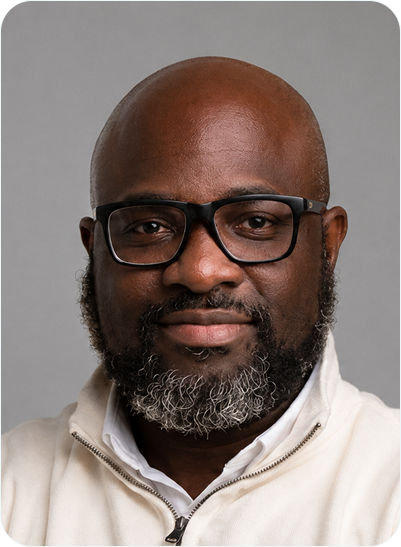
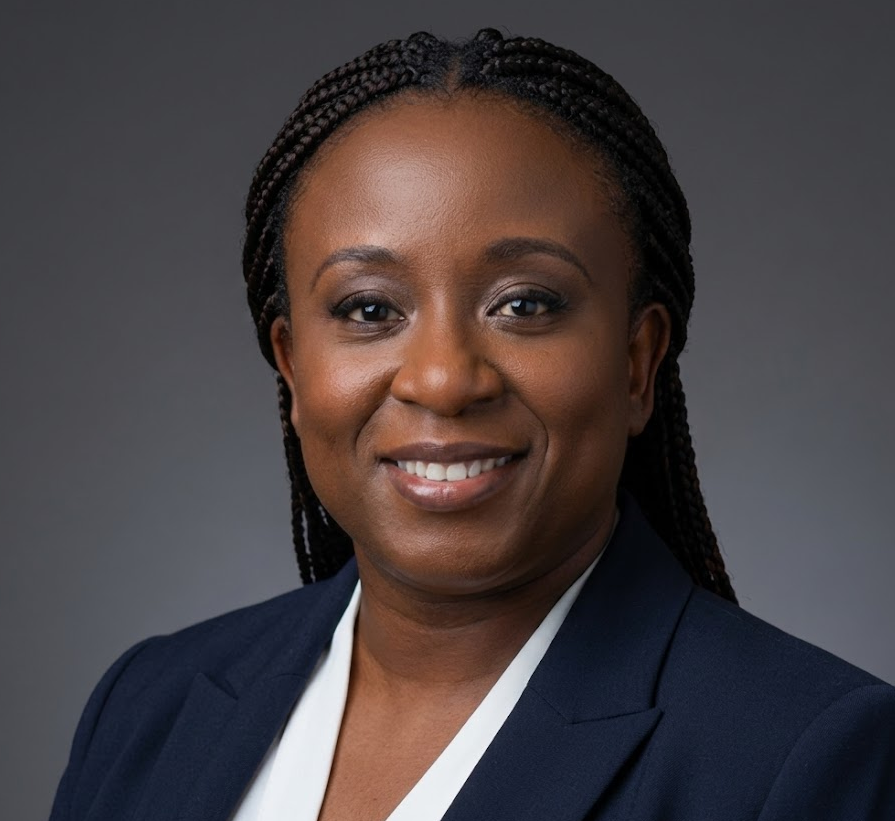
Oluwaseyi Allison
I work in CRM every day. I teach project delivery from the field, not the textbook.
In AI-Powered Web Design for Teens, young learners design and build real websites, and learn to use AI tools safely and creatively along the way.
Teens who enjoy games, apps or social media and want to learn how websites are actually made.
Young people who like drawing, design, writing or music and want a place online to show their work.
Parents who want their child to build practical technology skills and use AI responsibly, not just consume it.
Understand how websites work, from browsers to web addresses.
Plan a website: choose a purpose, an audience and a simple page structure.
Apply basic design principles: layout, colour, fonts and images.
Build web pages with HTML and style them with CSS.
Add simple interactive features with beginner JavaScript.
Use AI tools to brainstorm ideas, draft text and fix code, and check that the results are correct.
Stay safe online: protect personal information, respect copyright and use AI responsibly.
Publish a website and present it with confidence.
Teens finish with four projects they can share with family, friends and future schools.
Build a first web page about a hobby or interest, without sharing personal details.
Skills shown


The program is one course, AI-Powered Web Design for Teens, organised into six modules.
1
course
6
modules
4
projects
Browsers, websites, web addresses and how pages reach your screen.
Purpose, audience, sketching layouts, colour and fonts.
Headings, text, images, links and page structure.
Colours, fonts, spacing and layouts that work on phones.
Beginner JavaScript, and using AI to brainstorm, draft and debug safely.
Putting the site online and presenting the final project.
A parent or guardian enrolls and manages the account.
Parents receive regular updates on modules completed and projects submitted.
Any community or messaging features for teens are moderated, and teens are taught never to share personal details online.
The course only uses AI tools whose terms allow use by teens, with parental consent where required.
Teens receive a FairChild certificate when they finish the final project.
13 to 17.
None. Basic typing and computer skills are enough.
Able to read and follow instructions in English.
A laptop or desktop computer and a reliable internet connection. A phone or tablet alone is not enough.
A parent or guardian must enroll and agree to the program terms.
Study from anywhere, on your own schedule, through the FairChild learning portal.
Every course ends with practical work, and the projects build a portfolio employers can review.
Connect with other FairChild fellows working through the same courses.
The course builds a foundation for:
Our mentors aren't just teachers. They're practitioners solving real problems with data every day.
Oluwaseyi Allison
I work in CRM every day. I teach project delivery from the field, not the textbook.
Malik Pelumi Bello
Data and BI are my world. I teach you to make numbers tell a story.
Baba Nureni-Yusuf
BA is where I made my name. I teach the craft and the interview game.
Babajide Onabajo
Agile is how I run teams. I teach Scrum without the jargon.
Debo Fafore
I build on Service Cloud. I teach solutions that survive go-live.
Samson Bavo
Salesforce got me in the door. I teach the essentials that still do.
Sophie Mokah
I live in Sales Cloud. I teach setups that help teams sell.
Qahhar Okenla
BI is my thing. I teach dashboards people actually open.
Ogenna Odebatu
Experience Cloud is my space. I teach portals built for real users.
Niloy Debnath
Flow is what I do. I teach automations that work on day one.
Oladipo Ojo
8+ projects in. I teach Salesforce how it's done on the job.
Olanrewaju Badiru (Ola B)
Admin platforms are my lane. I teach configs built for production.