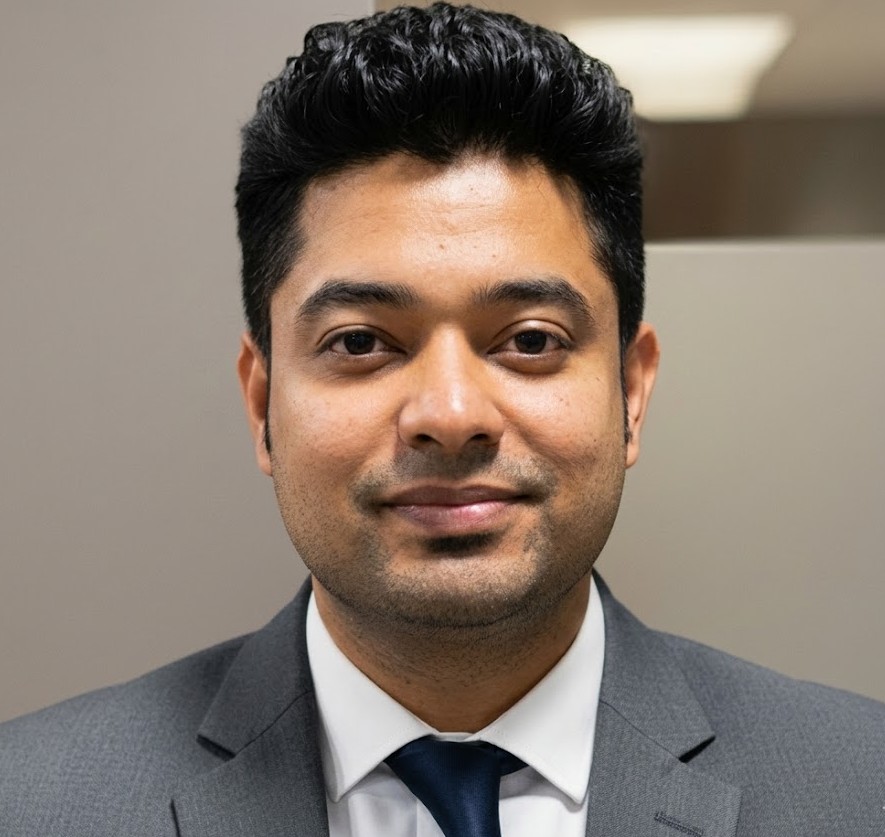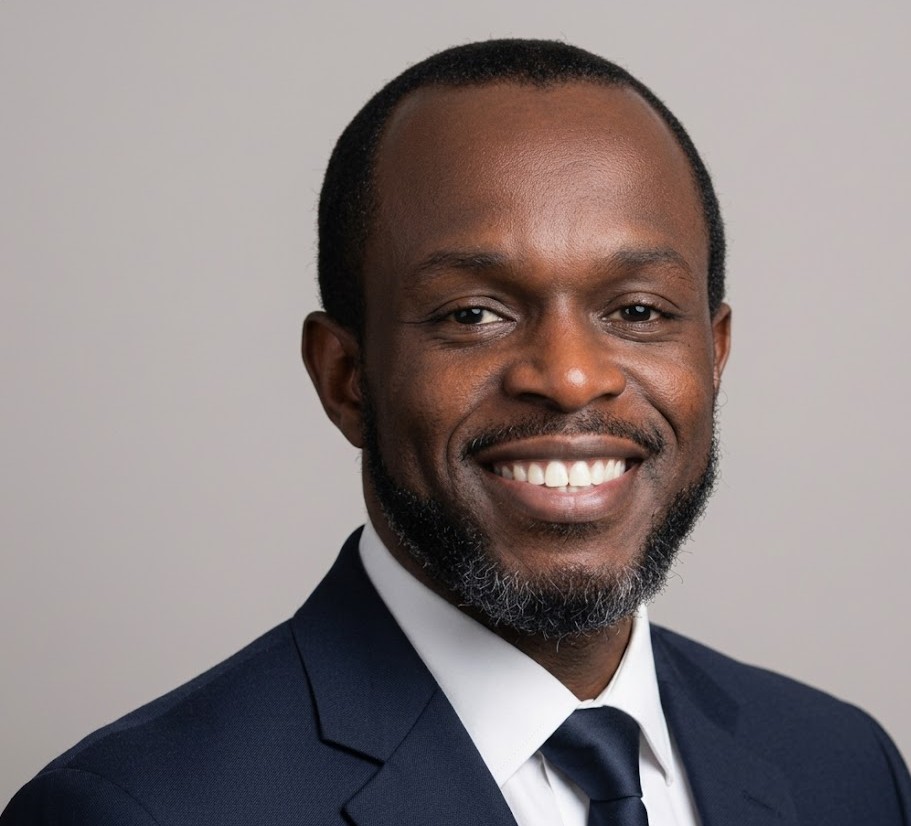
CRM Platform & Projects
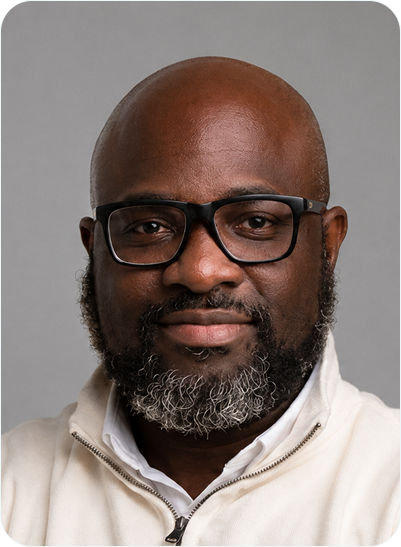
Oluwaseyi Allison
I work in CRM every day. I teach project delivery from the field, not the textbook.
Learn security operations and governance, risk and compliance, and prepare for recognised cybersecurity certifications with a dedicated practice question bank.
From IT support, administration, finance, audit, law enforcement or the military who want a structured route into cybersecurity.
Help desk, network and systems staff who want to specialise in security operations.
People in audit, risk or legal roles who want to apply their skills to information security governance.
Explain core security concepts: threats, vulnerabilities, controls and the attacker mindset.
Monitor systems and networks for suspicious activity in a security operations centre (SOC).
Investigate alerts using logs and a SIEM, and tell real incidents from false alarms.
Follow incident response steps: detect, contain, recover and report.
Assess and score information security risks for an organisation.
Map controls to common frameworks and regulations, such as the NIST Cybersecurity Framework, ISO/IEC 27001 and data protection laws.
Write security policies and prepare evidence for audits.
Prepare for entry-level cybersecurity certification exams with structured practice questions.
Fellows finish with five portfolio pieces they can show employers.
Identify assets, threats and vulnerabilities for a sample company and score the risks.
Skills shown


3
courses
5
projects
6
months
Security governance, risk assessment, frameworks, policies, regulations and audit readiness.
$2,000
Security monitoring, log analysis, SIEM tools, threat detection and incident response.
Exam-style practice questions and mock exams for entry-level cybersecurity certifications.
The program prepares fellows for these industry certifications. Exams are taken with the certifying body, and exam fees are paid separately.
ISC2
Prepared in
CompTIA
Prepared in
CompTIA
Prepared in
ISC2 CC and Security+ are entry-level and suit career changers. CySA+ is usually the next step once fellows have some hands-on security experience. Advanced GRC credentials, such as ISACA's CISA or ISC2's CGRC, require years of work experience and are a later goal.

None. Basic computer skills are enough. IT support or networking experience helps for SOC Analysis but is not required.

Good written and spoken English.
A laptop or desktop computer with at least 8 GB of memory and a reliable internet connection, for running security labs. A phone or tablet alone is not enough.
Study from anywhere, on your own schedule, through the FairChild learning portal.
Every course ends with practical work, and the projects build a portfolio employers can review.

Finish in 6 months on the accelerated track or spread the work over 12 months.
Connect with other FairChild fellows working through the same courses.

Pair the program with Guided Mentorship & Career Development, or join through the FairChild Fellowship, for interview preparation and career coaching.
Graduates are prepared to apply for roles such as:
Our mentors aren't just teachers. They're practitioners solving real problems with data every day.
Oluwaseyi Allison
I work in CRM every day. I teach project delivery from the field, not the textbook.
Malik Pelumi Bello
Data and BI are my world. I teach you to make numbers tell a story.
Baba Nureni-Yusuf
BA is where I made my name. I teach the craft and the interview game.
Babajide Onabajo
Agile is how I run teams. I teach Scrum without the jargon.
Debo Fafore
I build on Service Cloud. I teach solutions that survive go-live.
Samson Bavo
Salesforce got me in the door. I teach the essentials that still do.
Sophie Mokah
I live in Sales Cloud. I teach setups that help teams sell.
Qahhar Okenla
BI is my thing. I teach dashboards people actually open.
Ogenna Odebatu
Experience Cloud is my space. I teach portals built for real users.
Niloy Debnath
Flow is what I do. I teach automations that work on day one.
Oladipo Ojo
8+ projects in. I teach Salesforce how it's done on the job.
Olanrewaju Badiru (Ola B)
Admin platforms are my lane. I teach configs built for production.
Oluwaseyi Allison
I work in CRM every day. I teach project delivery from the field, not the textbook.
Malik Pelumi Bello
Data and BI are my world. I teach you to make numbers tell a story.
Baba Nureni-Yusuf
BA is where I made my name. I teach the craft and the interview game.
Babajide Onabajo
Agile is how I run teams. I teach Scrum without the jargon.
Debo Fafore
I build on Service Cloud. I teach solutions that survive go-live.
Samson Bavo
Salesforce got me in the door. I teach the essentials that still do.
Sophie Mokah
I live in Sales Cloud. I teach setups that help teams sell.
Qahhar Okenla
BI is my thing. I teach dashboards people actually open.
Ogenna Odebatu
Experience Cloud is my space. I teach portals built for real users.
Niloy Debnath
Flow is what I do. I teach automations that work on day one.
Oladipo Ojo
8+ projects in. I teach Salesforce how it's done on the job.
Olanrewaju Badiru (Ola B)
Admin platforms are my lane. I teach configs built for production.
Oluwaseyi Allison
I work in CRM every day. I teach project delivery from the field, not the textbook.
Malik Pelumi Bello
Data and BI are my world. I teach you to make numbers tell a story.
Baba Nureni-Yusuf
BA is where I made my name. I teach the craft and the interview game.
Babajide Onabajo
Agile is how I run teams. I teach Scrum without the jargon.
Debo Fafore
I build on Service Cloud. I teach solutions that survive go-live.
Samson Bavo
Salesforce got me in the door. I teach the essentials that still do.
Sophie Mokah
I live in Sales Cloud. I teach setups that help teams sell.
Qahhar Okenla
BI is my thing. I teach dashboards people actually open.
Ogenna Odebatu
Experience Cloud is my space. I teach portals built for real users.
Niloy Debnath
Flow is what I do. I teach automations that work on day one.
Oladipo Ojo
8+ projects in. I teach Salesforce how it's done on the job.
Olanrewaju Badiru (Ola B)
Admin platforms are my lane. I teach configs built for production.
Add project control and reporting skills to your GRC work.
View programStrengthen the SQL and data skills used in security monitoring.
View programAdd business analysis and requirements skills for security projects.
View programApply machine learning to threat detection.
View program