CRM Platform & Projects
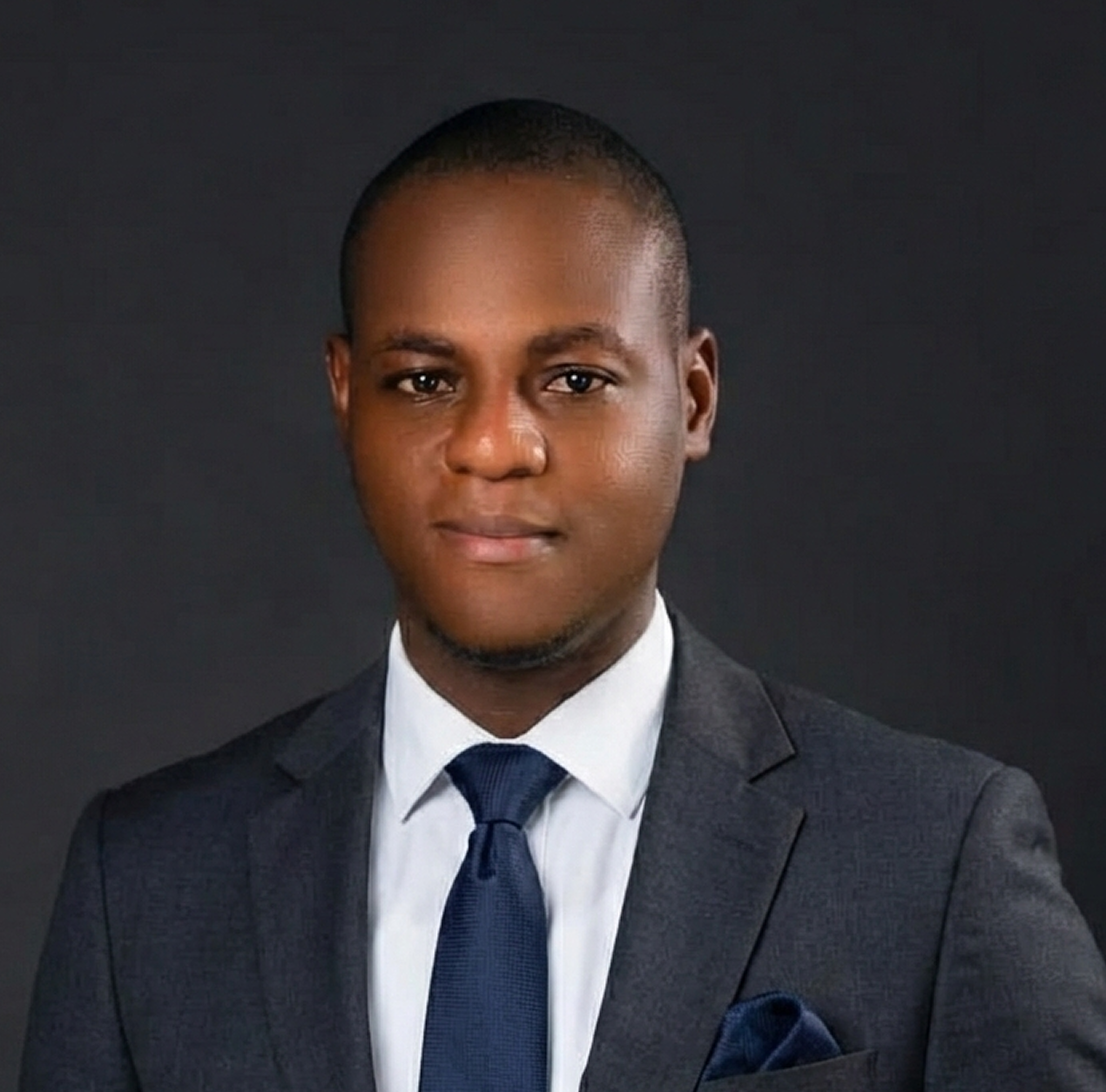
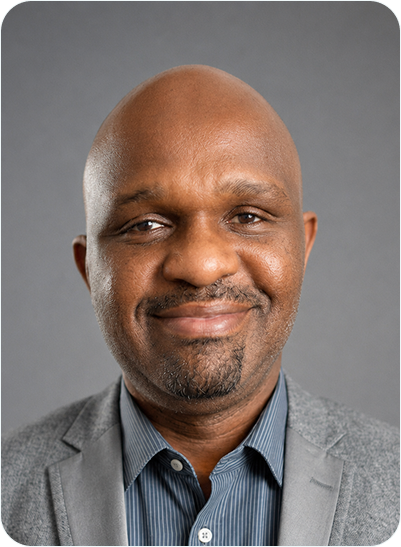
Oluwaseyi Allison
I work in CRM every day. I teach project delivery from the field, not the textbook.
Learn the programming, maths and statistics behind data science, then move into machine learning, AI and prompt engineering with real projects.
From finance, engineering, science, teaching maths or research who want to move into data science and AI.
Analysts who know Excel, SQL or Power BI and want to build predictive models and machine learning systems.
Programmers who want the statistics, modelling and machine learning skills behind modern AI products.
Write Python to load, clean, transform and explore data.
Apply the maths behind data science: linear algebra, calculus and probability, explained for practical use.
Use statistics to test hypotheses, measure uncertainty and draw sound conclusions.
Build and evaluate models for prediction and classification.
Train and tune machine learning models with libraries such as scikit-learn.
Understand how neural networks and modern AI models work, and when to use them.
Use prompt engineering to get reliable results from large language models in data workflows.
Communicate model results, limits and risks clearly to non-technical audiences.
Fellows finish with five portfolio pieces they can show employers.
Clean and explore a real dataset in Python and present the key patterns you find.
Skills shown


8
courses
5
projects
12
months
Python, Jupyter, Git and the core tools used in data science work.
Descriptive and inferential statistics, probability and hypothesis testing.
Exploratory analysis, regression and classification models, and model evaluation.
Linear algebra and calculus needed to understand how models learn.
Data structures, data cleaning and working with databases in Python and SQL.
Supervised and unsupervised learning, neural networks and model tuning.
Choose a focus area such as natural language processing, computer vision or time series.
Designing prompts and workflows that get reliable results from large language models.
The program prepares fellows for these industry certifications. Exams are taken with the certifying body, and exam fees are paid separately.
Python Institute
Prepared in
Microsoft
Prepared in
In data science, employers weigh a portfolio of real models and analyses more heavily than certifications. The five projects are designed to provide that portfolio.

No coding experience is needed. Comfort with secondary-school maths helps, as the program builds on it quickly.

Good written and spoken English.
A laptop or desktop computer with at least 8 GB of memory and a reliable internet connection. A phone or tablet alone is not enough for the tools used.
Study from anywhere, on your own schedule, through the FairChild learning portal.
Every course ends with practical work, and the projects build a portfolio employers can review.

Finish in 6 months on the accelerated track or spread the work over 12 months.
Connect with other FairChild fellows working through the same courses.

Pair the program with Guided Mentorship & Career Development, or join through the FairChild Fellowship, for interview preparation and career coaching.
Graduates are prepared to apply for roles such as:
Our mentors aren't just teachers. They're practitioners solving real problems with data every day.
Oluwaseyi Allison
I work in CRM every day. I teach project delivery from the field, not the textbook.
Malik Pelumi Bello
Data and BI are my world. I teach you to make numbers tell a story.
Baba Nureni-Yusuf
BA is where I made my name. I teach the craft and the interview game.
Babajide Onabajo
Agile is how I run teams. I teach Scrum without the jargon.
Debo Fafore
I build on Service Cloud. I teach solutions that survive go-live.
Samson Bavo
Salesforce got me in the door. I teach the essentials that still do.
Sophie Mokah
I live in Sales Cloud. I teach setups that help teams sell.
Qahhar Okenla
BI is my thing. I teach dashboards people actually open.
Ogenna Odebatu
Experience Cloud is my space. I teach portals built for real users.
Niloy Debnath
Flow is what I do. I teach automations that work on day one.
Oladipo Ojo
8+ projects in. I teach Salesforce how it's done on the job.
Olanrewaju Badiru (Ola B)
Admin platforms are my lane. I teach configs built for production.
Build a strong base in Excel, SQL and Power BI first.
View programAdd web development to put your models into applications.
View programApply data science to customer data and personalisation.
View programCombine data skills with security analysis.
View program